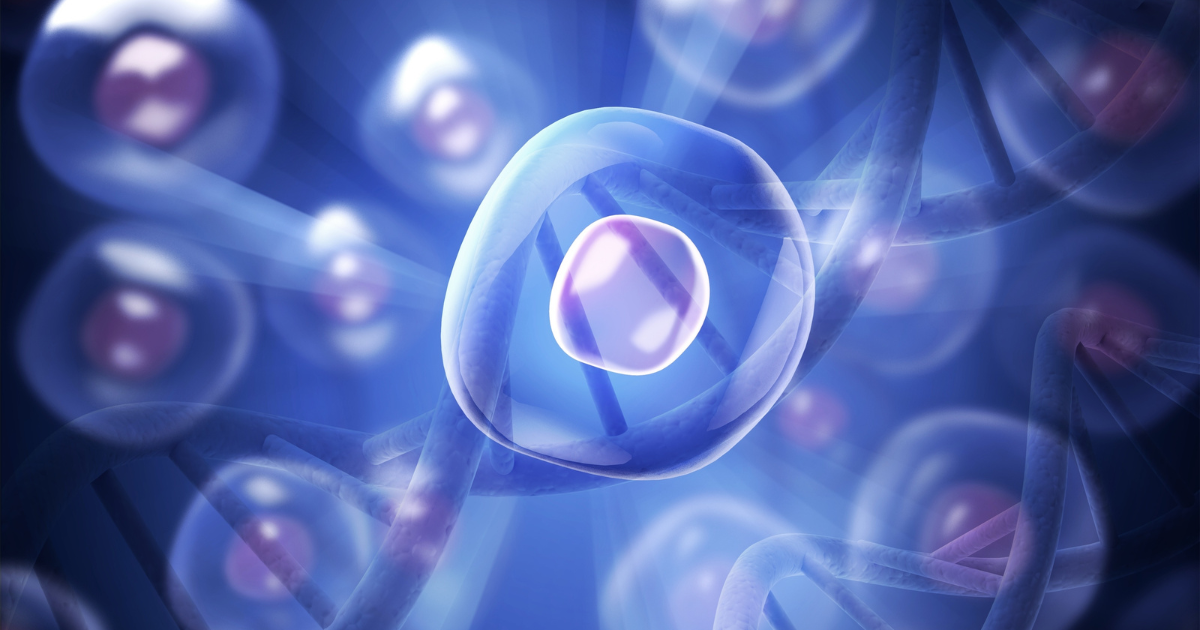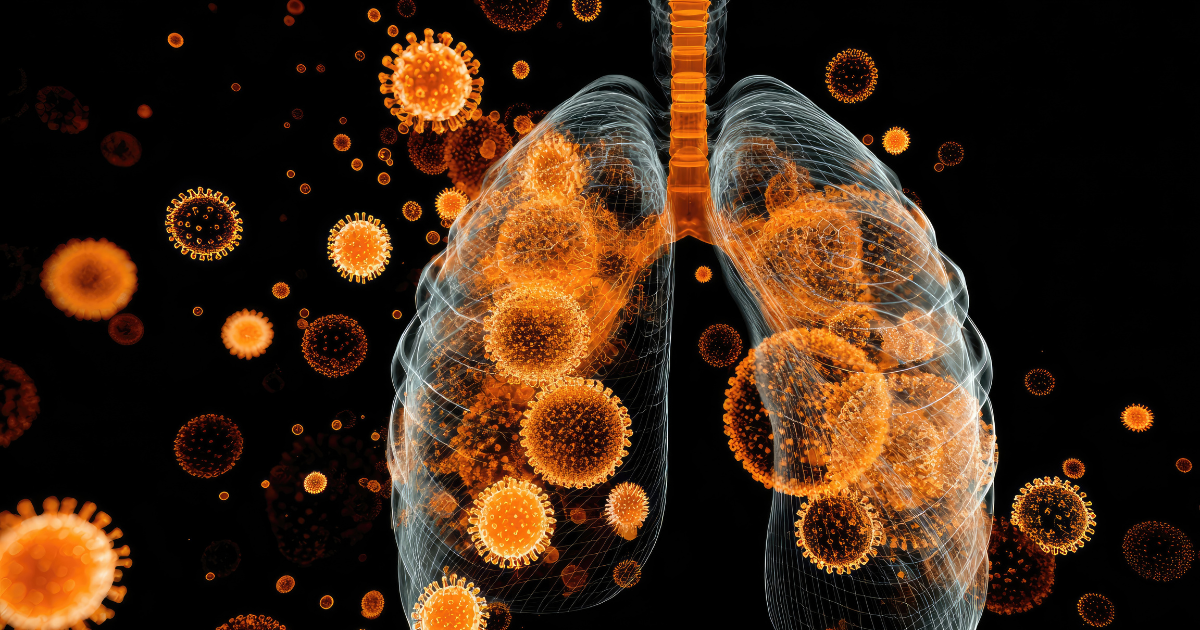
Gene-based therapies are transforming modern medicine. Instead of repeatedly administering drugs or biologics, scientists can now provide cells with genetic instructions to produce therapeutic proteins directly inside the body [Yin et al., 2014; Naldini, 2015].
To achieve this, researchers rely on gene delivery vectors—tools that transport genetic material into cells. Viral vectors such as adeno-associated virus (AAV) and lentivirus are widely used, but they come with limitations including complex manufacturing, immune reactions, and size restrictions [Bulcha et al., 2021].
An increasingly attractive alternative is minicircle DNA, a next-generation non-viral vector designed to maximize gene expression while maintaining a strong safety profile [Kay et al., 2010].
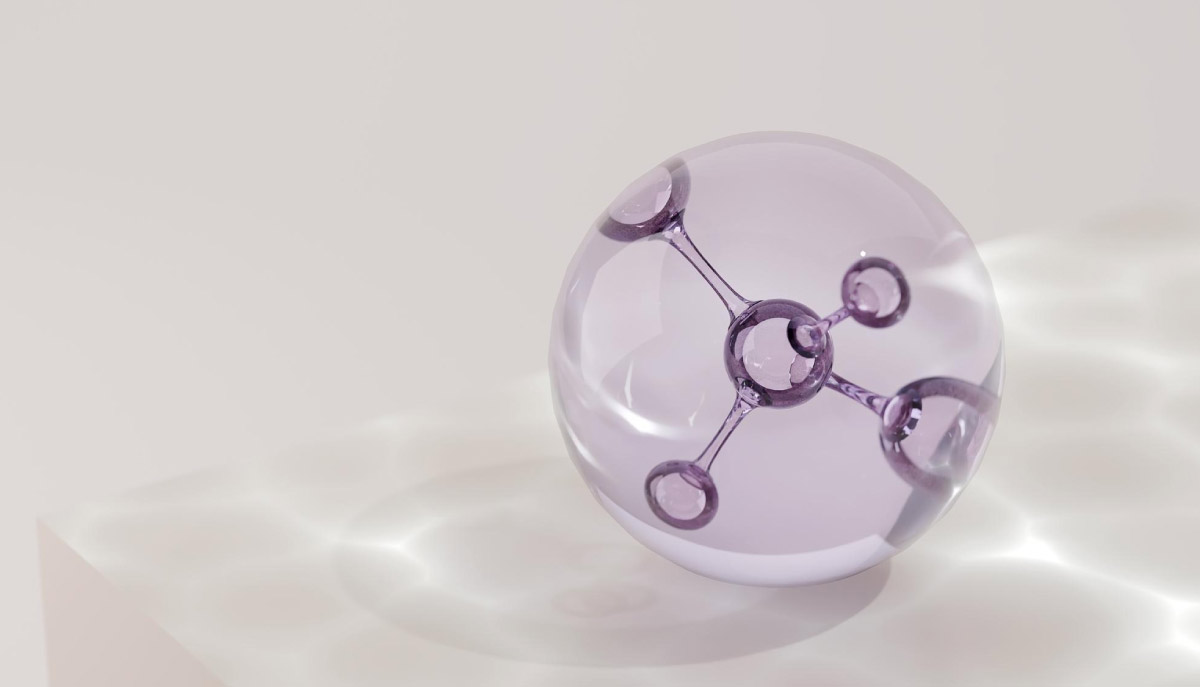
Minicircles are derived from traditional plasmid DNA but with a crucial difference: the bacterial backbone sequences are removed, leaving only the essential genetic elements needed for expression in human cells [Chen et al., 2003].
This streamlined design offers several major advantages.
1. Stronger and More Efficient Gene Expression
Traditional plasmid DNA contains bacterial sequences that can interfere with gene activity in mammalian cells. These elements may trigger gene silencing mechanisms, reducing protein production [Chen et al., 2003].
Minicircle DNA eliminates these unnecessary components, allowing the therapeutic gene to be read more efficiently by the cell.
As a result, minicircles often produce 5–10 times higher levels of protein expression compared with conventional plasmids [Chen et al., 2003].
For therapies that rely on the body producing beneficial proteins, such as growth factors, enzymes, or antibodies, this increased efficiency can significantly improve outcomes.
A Safer Genetic Platform
Safety is one of the most important considerations in gene therapy.
Many viral systems integrate genetic material directly into the patient’s chromosomes. While effective, this approach carries a theoretical risk of insertional mutagenesis, where integration disrupts an important gene [Naldini, 2015].
Minicircle DNA typically remains episomal, meaning it exists as a separate circular DNA molecule inside the cell nucleus rather than inserting into the genome [Ehrhardt et al., 2008].
This dramatically reduces the risk of permanent genomic alteration.
By avoiding viral components and bacterial DNA elements, minicircles offer a cleaner and safer vector design.
3. Greater Genetic Flexibility
Another major limitation of some viral vectors is cargo capacity.
For example, adeno-associated virus vectors can carry only about 4.7 kilobases of DNA, which restricts the size of genes that can be delivered [Bulcha et al., 2021].
Minicircle DNA does not have this limitation. Because it is simply a circular DNA molecule, it can carry larger therapeutic genes or even multiple genetic elements [Hardee et al., 2017].
This allows the inclusion of:
- regulatory sequences
- multiple therapeutic genes
- genetic switches
- gene-editing tools
This flexibility makes minicircles particularly valuable for complex or next-generation therapies.
4. Longer Activity Than Traditional Plasmids
While minicircles typically do not integrate into the genome, they can still provide sustained gene expression.
Because the bacterial backbone has been removed, the delivered DNA is less prone to epigenetic silencing [Chen et al., 2003; Stenler et al., 2009].
This allows the therapeutic gene to remain active for several months, depending on the target tissue and delivery method.
This duration is often ideal for treatments that require temporary but sustained protein production rather than permanent genetic modification.
5. Simpler and More Scalable Manufacturing
Manufacturing viral gene therapy vectors is technically demanding and extremely expensive. Producing clinical-grade viral particles often requires specialized facilities and complex purification processes [Wright, 2014].
Minicircle DNA offers a simpler alternative.
Since minicircles are derived from plasmid DNA produced in bacteria, they can be manufactured using well-established fermentation technologies [Kay et al., 2010].
This makes production:
- more scalable
- more cost-effective
- easier to adapt for new therapeutic designs
For emerging fields such as regenerative medicine and personalized biologics, this scalability is a major advantage.
How Minicircle DNA Works in the Body
Minicircle DNA works by instructing cells to produce a therapeutic protein.
- Delivery – The minicircle DNA is introduced into the body using delivery technologies such as lipid nanoparticles or electroporation [Hou et al., 2021].
- Cell Entry – The DNA enters target cells and travels to the nucleus.
- Gene Expression – The cell reads the therapeutic gene and begins producing the encoded protein.
- Temporary Persistence – Because minicircle DNA remains episomal, protein production can continue for a period of time before gradually fading [Chen et al., 2003].
This approach allows cells to act as temporary biological factories, producing therapeutic molecules directly within the body.
The Evolution of Gene Delivery Technologies
Gene delivery technologies have evolved significantly over the past decades.
- First generation: Viral gene therapy systems provided powerful delivery but raised safety and immune concerns [Naldini, 2015].
- Second generation: Plasmid DNA offered a safer non-viral alternative but often produced lower levels of expression.
- Third generation: Minicircle DNA refined plasmid technology by removing unnecessary bacterial components, improving expression and persistence [Kay et al., 2010].
Today, emerging technologies such as targeted nanoparticles, exosomes, and programmable gene circuits are continuing to push the field forward.
A Promising Platform for the Future of Regenerative Medicine
Modern medicine is increasingly moving toward genetic instruction rather than repeated drug administration.
Instead of delivering proteins directly, scientists can provide cells with the information needed to produce those proteins themselves [Yin et al., 2014].
Minicircle DNA represents an elegant and versatile tool in this new therapeutic landscape.
By combining:
- high expression
- improved safety
- flexible design
- scalable production
Minicircles are helping expand the possibilities of gene-based medicine.
As research continues to advance, this streamlined DNA technology may play an increasingly important role in next-generation regenerative and biologic therapies.
References
- Kay MA et al. Nature Biotechnology, 2010
-
- Darquet AM et al. Gene Therapy, 1999
- Hardee CL et al. Genes, 2017
- Yin H et al. Nature Reviews Genetics, 2014
-
- Naldini L. Nature, 2015
- Bulcha JT et al. Molecular Therapy, 2021
- Stenler S et al. Gene Therapy, 2009
- Hou X et al. Nature Reviews Materials, 2021
- Ehrhardt A et al. Human Gene Therapy, 2008